Ways to Find the Finest Fish Filleting Knife That Meets Your Needs
Choosing the proper fish filleting knife needs thoughtful consideration. Different kinds of knives fulfill various requirements. Elements like blade flexibility, length, and handle design hold important roles in performance. Knowing these factors can help make better choices. Still, with so many alternatives at hand, picking the best fit might feel daunting. Which specific features should be prioritized to enhance the filleting experience?
Learning About the Varied Types of Filleting Knives
Filleting knives appear in various types, each built to satisfy particular needs in preparing fish. The most frequently used types contain flexible, stiff, and electric filleting knives. Flexible knives are great for delicate fish, allowing smooth, exact slicing along the bone. Stiff knives, by contrast, provide more control and leverage, making them appropriate for larger fish. Electric filleting knives deliver speed and efficiency results, notably helpful for those who regularly prepare large quantities of fish.
Additionally, there are purpose-built blades for specific species, such as salmon or trout, which showcase distinctive edge designs. The choice of material also differs, with stainless steel being the most preferred due to its resistance to corrosion and ease of maintenance. Comprehending these differences enables individuals to choose the right knife suited for their specific filleting needs, ensuring a more effective and pleasant fish preparation process.
Fundamental Aspects to Review in a Filleting Knife
A superior boning knife is critical for producing neat and productive cuts when preparing fish. When selecting a fish knife, numerous vital features should be assessed. First, the blade's pliability is crucial; a highly flexible blade allows for smoother maneuvering around bones and contours. The ideal blade length typically ranges from 6 to 9 inches, working for various fish sizes.
Ergonomics also contribute substantially to functionality; a comfortable handle delivers superior control and alleviates hand fatigue during sustained use. A slip-resistant grip is particularly valuable for upholding safety in wet conditions.
Moreover, the knife should possess a sharp edge that can be readily upkept, as a sharp blade reduces strain and enhances accuracy. Lastly, consider the weight; a well-balanced knife enhances handling, making the filleting process more efficient. Each of these characteristics contributes to the overall performance and usability of a filleting knife.
The Manner in Which Different Materials Determine Filleting Knife Performance
A fish fillet knife's performance is significantly shaped by the substances incorporated in both the cutting edge and grip. Different cutting substances, including stainless steel or high-carbon steel, offer different levels of edge acuity and durability, whereas grip ease can affect user precision while filleting. Additionally, corrosion protection is essential for preserving the knife's durability in moist environments.
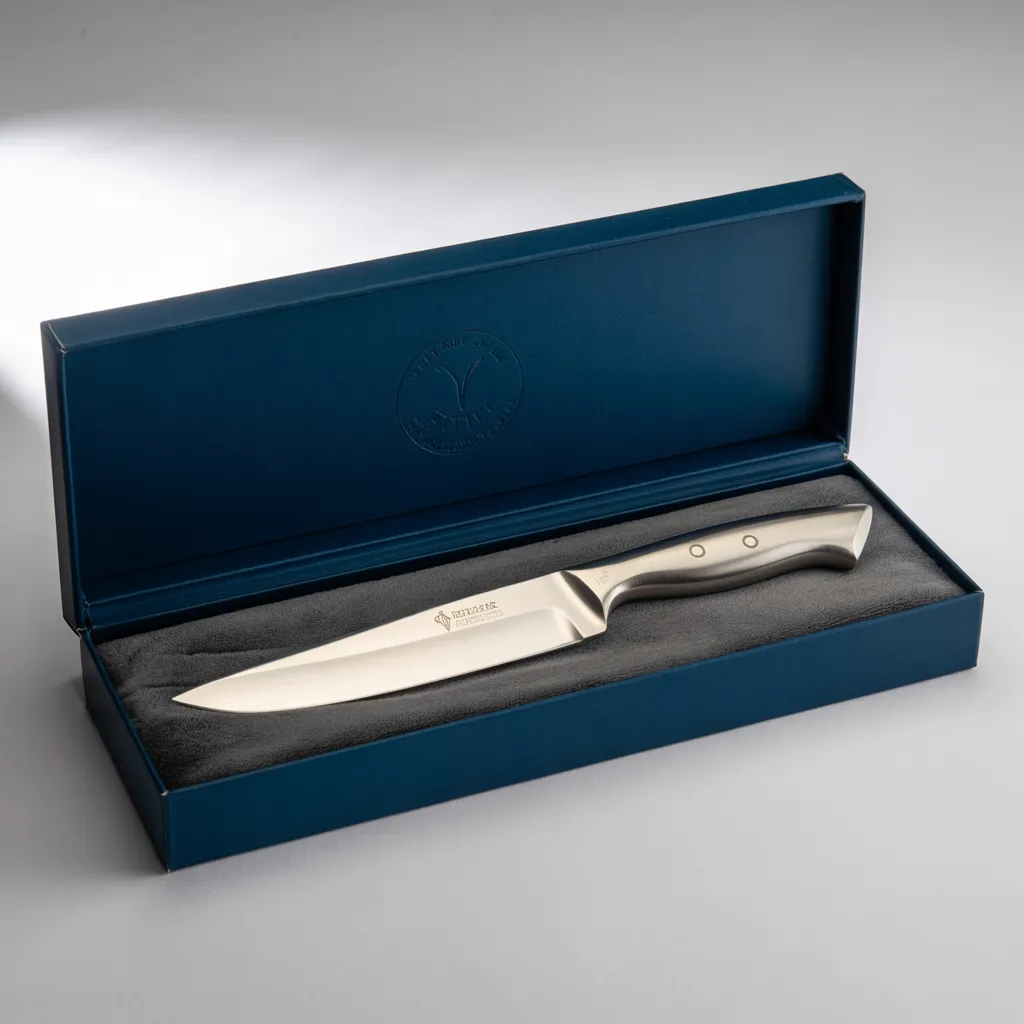
Various Blade Material Types
Determining the best blade material is essential for maximizing a filleting knife's efficiency. Widely used materials encompass stainless steel, carbon steel, and ceramic, each providing distinct advantages. Stainless steel is well-liked for its anti-corrosive nature and low maintenance, making it fitting for both freshwater and saltwater environments. Carbon steel, while requiring greater attention to prevent rust, is renowned for its sharp edge and durability of edge, which is crucial for precise filleting. Ceramic blades, although infrequent, exhibit superior sharpness and hardness but can be prone to breaking, making them less ideal for tougher fish. All things considered, the choice of blade material affects durability, maintenance, and the general efficiency of filleting, shaping the user's experience markedly.
Control Relief Settings
While blade material considerably influences a filleting knife's effectiveness, the handle's comfort cannot be ignored. The selection of handle material has a direct impact on user experience during prolonged filleting sessions. Ergonomic designs promote a secure grasp, reducing fatigue and enhancing precision. Common materials feature wood, plastic, and rubber.
Wood provides a traditional feel but may lose traction when wet. Plastic is lightweight and easy to clean, but it may not provide the same tactile feedback. Rubber, on the other hand, specializes in offering a anti-slip surface, vital for managing slippery fish. Ultimately, a ergonomic grip enables improved handling, making it an important factor in selecting the right filleting knife for both amateur and professional fishers.
Corrosion Resistance Factors
Protection to corrosion serves as a vital component that profoundly influences the efficiency and lifespan of a fish filleting knife. Knives constructed from stainless steel, as an example, provide outstanding resistance to rust and corrosion, rendering them ideal for consistent use in wet environments. High-carbon steel, though sharper and easier to sharpen, is more vulnerable to corrosion and necessitates consistent maintenance. In addition, surface treatments such as titanium or ceramic can bolster corrosion resistance, delivering a safeguarding barrier against moisture and acids present in fish. Users must assess their distinct needs and maintenance choices when selecting materials, as the decision between strength and easy maintenance can significantly influence the knife's overall effectiveness and lifespan.
Why Knife Bendability Is Crucial for Cleaning Fish
A flexible blade is crucial for efficient fish filleting, as it allows for precise movements along the contours of the fish. This versatility allows the knife to glide smoothly between the skin and flesh, guaranteeing clean, even cuts. A blade with the right amount of flexibility gives the user with better command, allowing for intricate maneuvers around bones and fins without harming the meat. Different fish species require varying degrees of flexibility; for example, delicate fish like sole benefit from a more pliable blade, while sturdier fish may require a stiffer option. Additionally, the flexibility of the blade can minimize the risk of shredding or tearing the flesh, which is vital for presentation and quality. Ultimately, selecting a knife with appropriate blade flexibility can greatly improve the efficiency and effectiveness of the filleting process, resulting in superior fillets and a more enjoyable experience for the user.
Selecting the Best Handle Design for Comfort and Control
When selecting a fish filleting knife, the handle design greatly influences both command and comfort. Ergonomic handle shapes can strengthen grip and reduce fatigue, while the material type influences how securely the user can grasp the knife. Knowing these factors is indispensable for accomplishing peak performance during filleting work.
Ergonomic Handle Shapes
Choosing an suitable comfort-focused handle design is crucial for obtaining ease and precision while filleting fish. A properly crafted handle can greatly reduce hand fatigue during prolonged use. Curved or contoured shapes often offer a natural grip, allowing for improved control and accuracy. Some handles include finger grooves or textured surfaces, enhancing grip stability, which is critical when handling slippery fish. Additionally, the size of the handle should correspond to the user's hand for best control; a handle that is too large or too small can impair performance. Ultimately, the best ergonomic handle shape will address individual preferences, ensuring a balance between comfort and functionality while filleting. This consideration plays a key role in the overall efficiency of the filleting process.
Material Weight on Grip
The choice of material for a fish filleting knife handle greatly influences grip and comfort. Materials such as wood, plastic, and rubber each offer distinct advantages. Wooden handles provide a traditional feel and can be comfortable to hold but may need more upkeep to avoid moisture absorption. Plastic handles are light and often patterned for better grip, making them suitable for wet conditions. Rubber handles tend to excel in delivering a non-slip surface, enhancing safety during filleting tasks. Additionally, the finish of the handle material plays a crucial role in user comfort; a smooth finish may feel comfortable initially but could become treacherous when wet. Ultimately, selecting the right material can significantly affect the efficiency and enjoyment of the filleting process.
Top Filleting Knives for Every Price Range
A well-picked filleting knife can improve the efficiency and enjoyment of fish preparation. For budget-conscious buyers, the Rapala Fish'n Fillet Knife is an excellent choice. With a price near $20, it features a versatile blade that is suitable for a range of fish sizes.
Within the moderate price segment, the Dexter-Russell Sani-Safe Fillet Knife, costing approximately $50, delivers a balance of quality and durability, displaying a ergonomic handle and a reliable stainless steel knife edge.
At the premium tier, the Wüsthof Classic Fillet Knife is suggested for serious enthusiasts. Costing approximately $150, this knife boasts a precision-forged blade and an comfortable handle, guaranteeing exceptional performance and longevity.
These choices meet different budget requirements while retaining essential qualities for efficient fish preparation, making them suitable choices for both novices and seasoned anglers.
Maintenance Guidelines for Maintaining Your Filleting Knife in Excellent Condition
Investing in a premium filleting knife is just the start; proper maintenance is key to ensuring peak performance and longevity. Regular cleaning is essential; after each use, the blade should be washed with warm, soapy water and dried immediately to prevent rust. Avoid placing the knife in a dishwasher, as high heat and detergents can harm the handle and blade.
Keeping your knife sharp through regular sharpening is essential for maintaining its edge. A whetstone or honing rod is useful for maintaining the blade sharp and increasing your filleting efficiency. Before each fishing trip, be certain to sharpen the knife to attain peak performance.
Storing find guide the knife properly also helps maintain its longevity. A protective cover or knife roll can avoid accidental damage. Finally, regular checks for any signs of wear or damage can help address issues early, making sure the knife remains a reliable tool for years to come.
Frequently Commonly Questions
Is it Feasible to Use a Filleting Knife for Various Types of Meat Products?
Certainly, a boning knife can be put to use for additional types of meat, though its slender and flexible blade may not be ideal. Chefs often tend to favor targeted implements for distinct varieties to ensure superior performance.
When Should I Sharpen My Filleting Knife Regularly?
A filleting knife should be regularly maintained, ideally following each few uses. This guarantees peak performance and precision throughout filleting. Maintaining the edge prolongs the knife's lifespan and boosts the overall filleting experience.
Should You Consider Investing in Electric Fillet Knives?
Electric fish knives can be worthwhile for your budget for those who regularly prepare fish, offering quick results. However, conventional knives may give enhanced accuracy and handling, meeting diverse preferences among fishers and chefs.
How Can I Best Protect My Filleting Knife Storage-wise?
The optimal method to keep a filleting knife is in a protective sheath or magnetic panel. This stops blade harm and keeps it at hand. Additionally, a assigned drawer or knife block can facilitate maintain organization and security.
May I Adjust My Filleting Knife's Grip to My Preferences?
Yes, a filleting knife's shaft can often be altered. Many producers present selections for different materials and designs, permitting people to elevate satisfaction, purchase, and unique taste while enhancing the complete filleting practice.